Barocco
Today, the Baroque splendor of Noto has achieved unmatched beauty in the new city, where magnificent limestone buildings line both sides of the Corso—home to Q92 Noto. It’s impossible not to encounter the awe-inspiring Baroque churches, crowned with elegant domes and flanked by endless staircases. This breathtaking backdrop leaves visitors and travelers speechless, especially during the early evening when the sunset bathes the city in golden light.
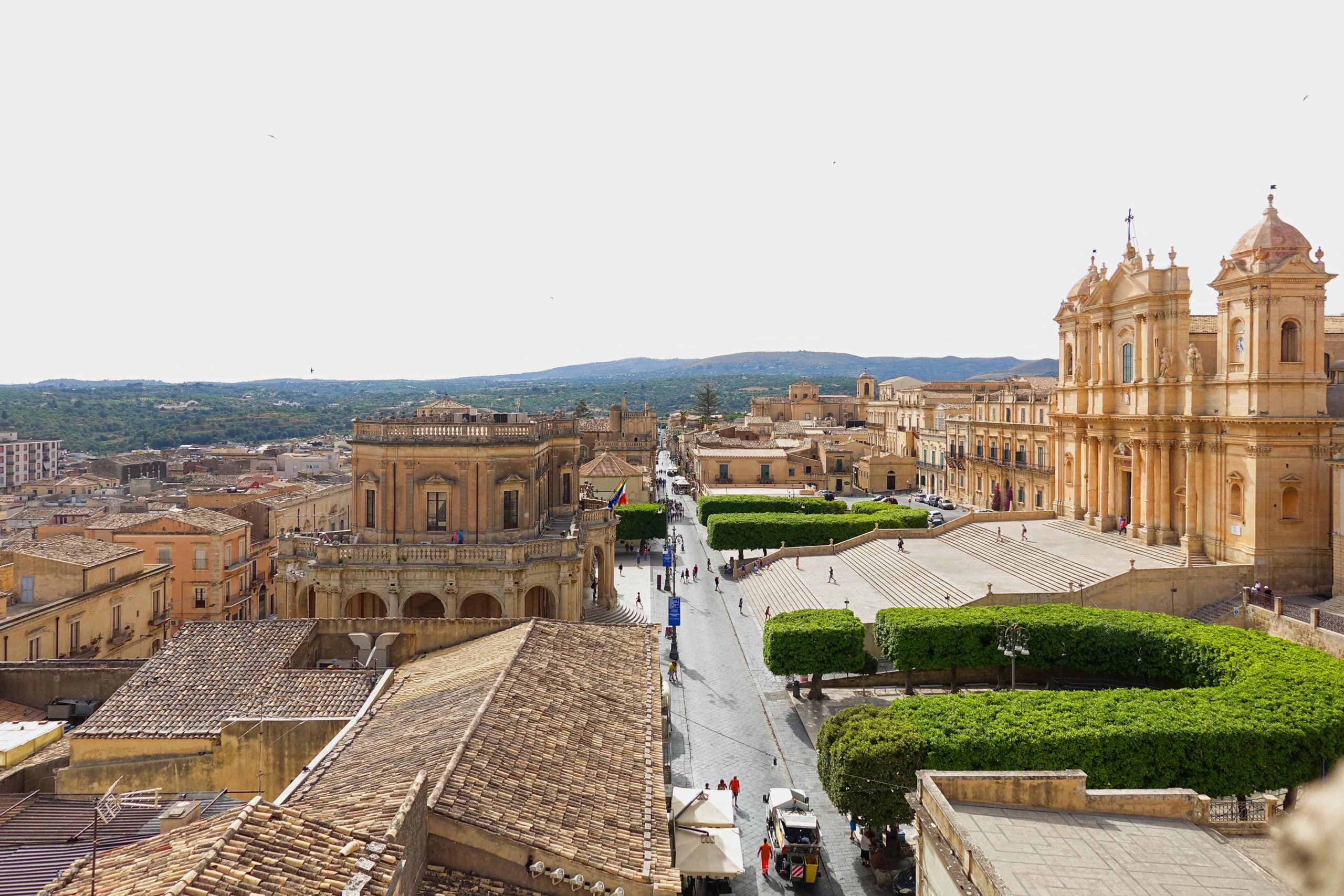
I. Corso Vittorio Emanuele
160 m from Q92 Noto Hotel
This charming promenade is lined with delightful restaurants, boutiques, and cafés, nestled among exquisite examples of Baroque palaces and churches. It is the vibrant heart of Noto, where both locals and visitors enjoy the traditional Italian passeggiata—strolling leisurely with an ice cream in hand. The experience becomes even more magical at sunset, when the crimson-gilded buildings glow with a gentle, inner light, creating a truly unforgettable atmosphere.
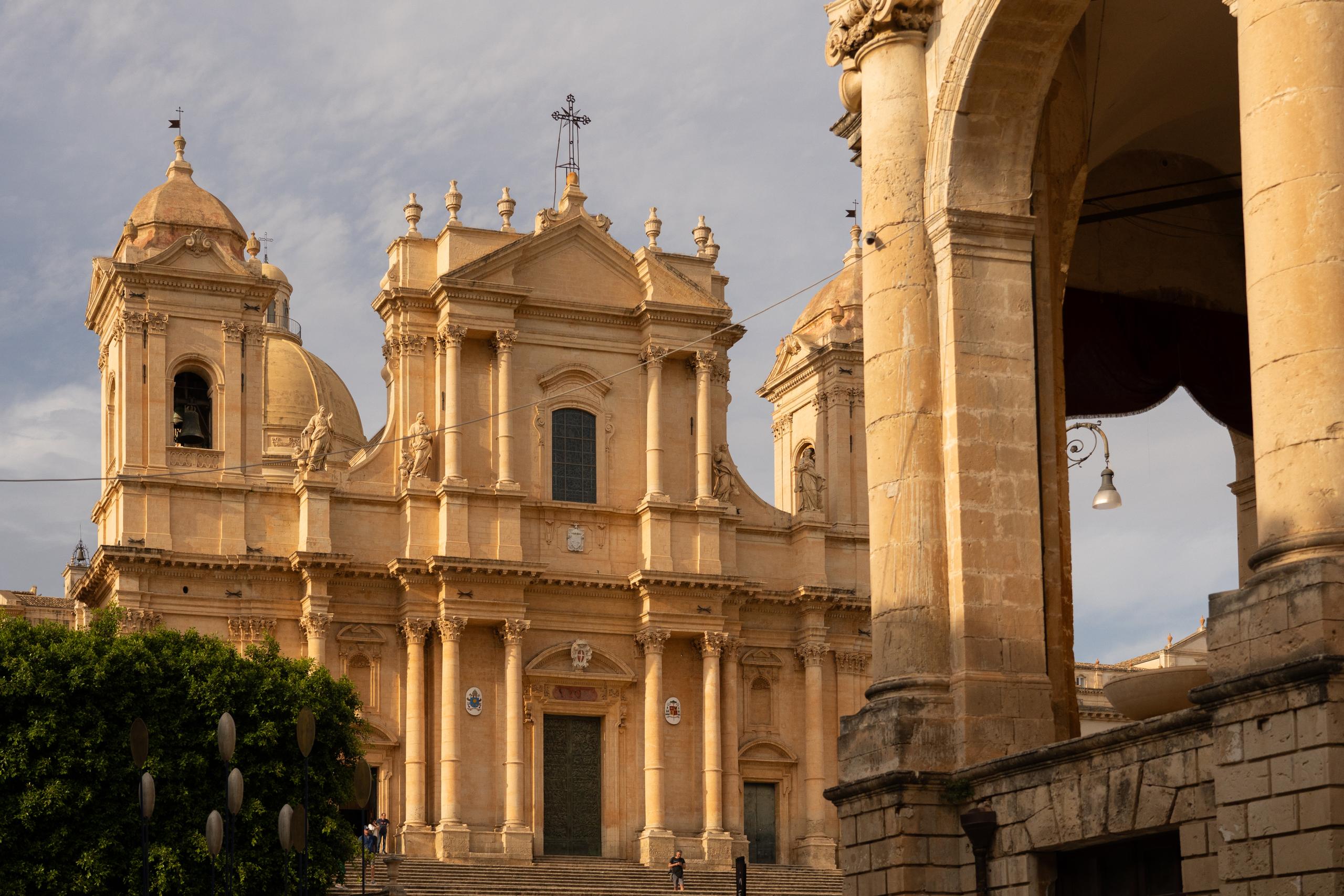
II. Chiesa di San Nicolò
75 m from Q92 Noto Hotel
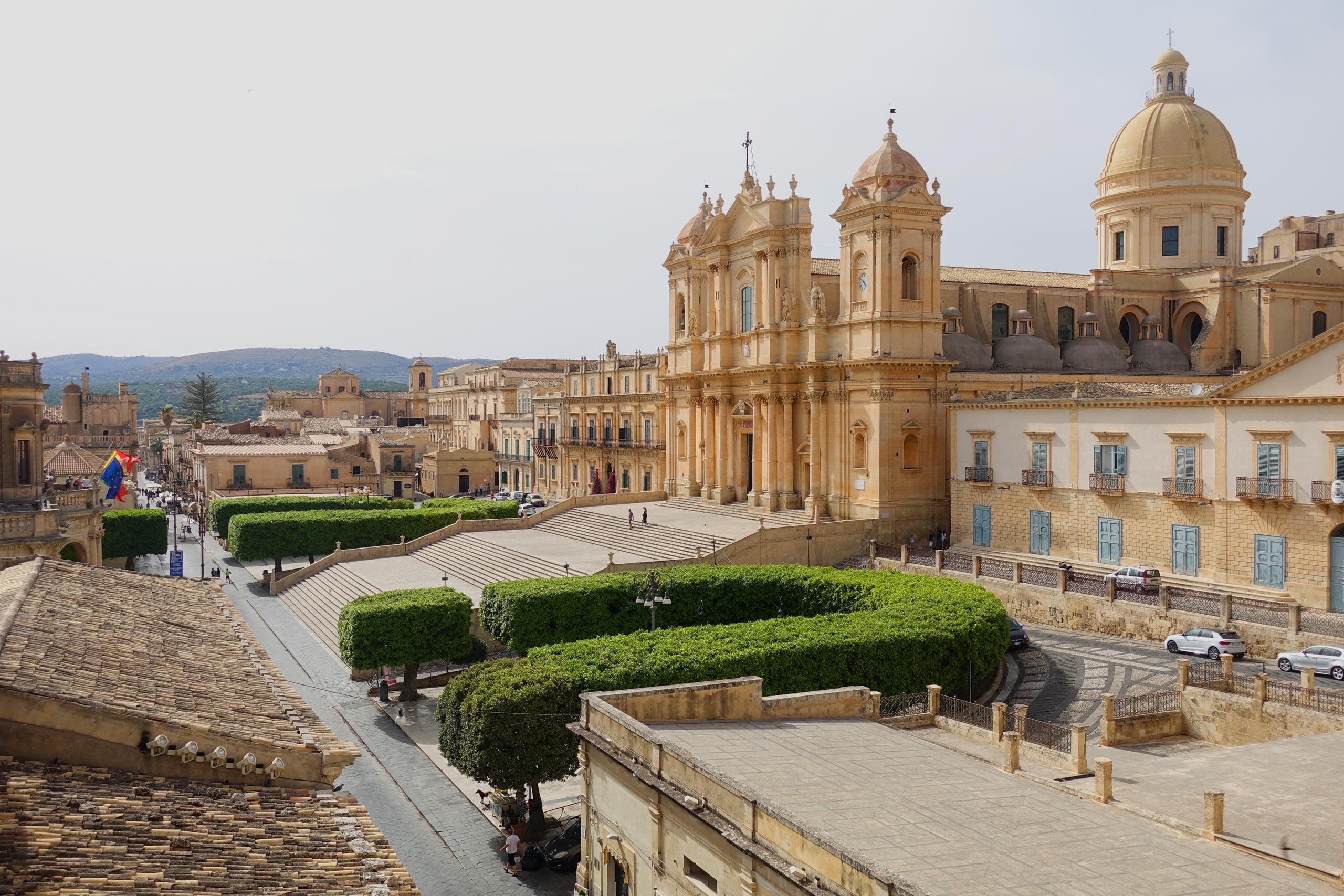
The Cathedral of San Nicolò is not only the most important place of worship in Noto but also a true symbol of the city. Its majestic presence can be admired from the hallways, balconies, and panoramic terrace of Q92 Noto. Built in 1693, the cathedral was restored and reopened in 2007 after extensive repairs to repair the damage caused by earthquakes over the centuries. It proudly stands at the top of a grand staircase, on the north side of Piazza Municipio, where throughout the year, classical concerts, operas, and cultural events bring the square to life.
The façade, flanked by slender side towers, exemplifies the late Baroque architecture of the Val di Noto. Inside, the church features a Latin cross plan with three naves, characterized by spacious, luminous white interiors decorated with simple yet elegant Baroque details.
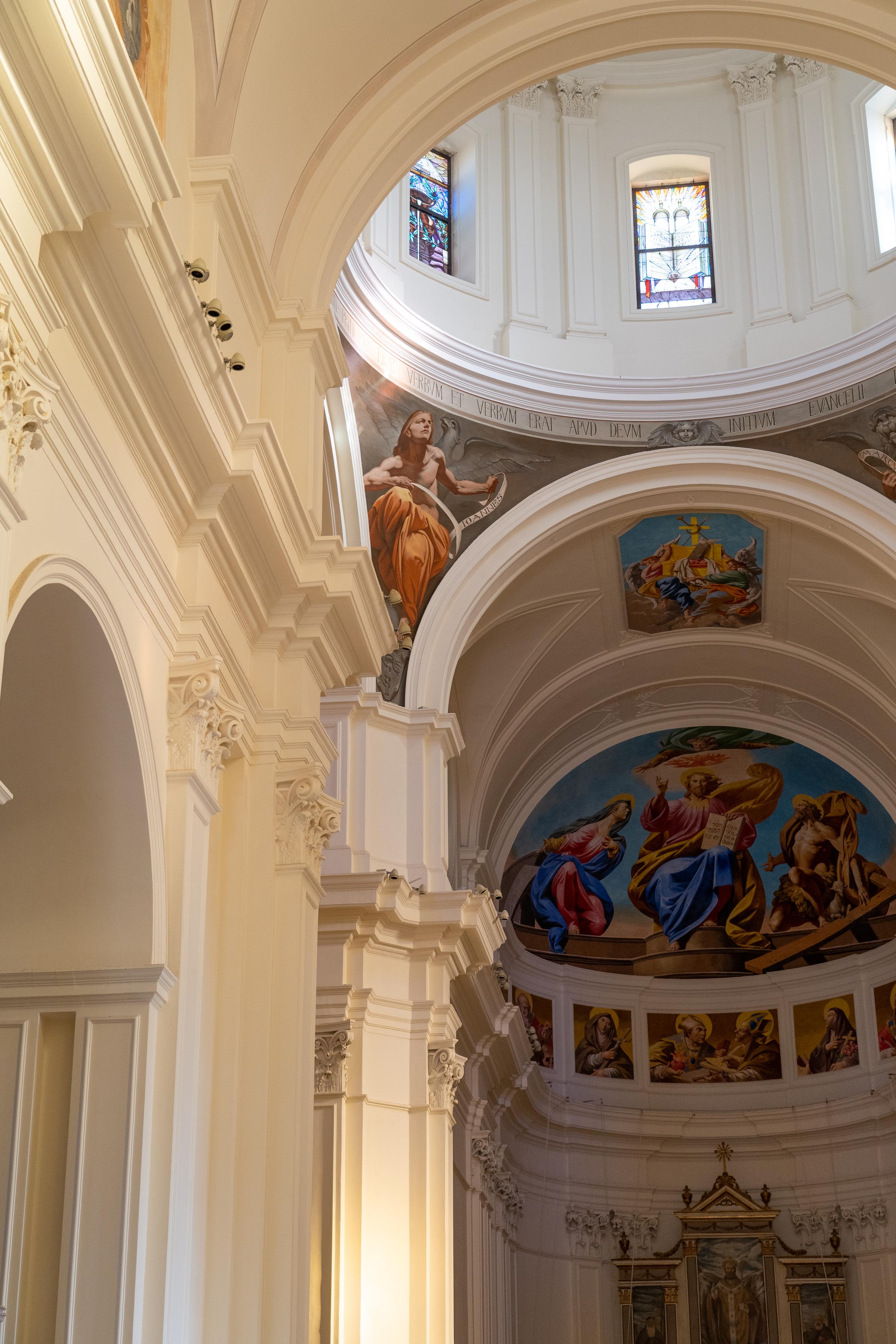
III. Chiesa di San Carlo
350 m from Q92 Noto Hotel
Located directly opposite Q92 Noto, the Church of the College, adjoining the Jesuit monastery, is a remarkable example of Sicilian Baroque architecture. Dedicated to San Carlo Borromeo, it was constructed in the 1700s as part of a project by the renowned architect Rosario Gagliardi and showcases the artistic and architectural grandeur of the era.
Just a few steps along the Corso from Q92 Noto is the church of San Francesco d'Assisi all'Immacolata. Built between 1704 and 1745 by architects Vincenzo Sinatra and Rosario Gagliardi, this magnificent structure, together with the adjacent former convent of the Friars Minor, is regarded by many as one of the most significant religious landmarks in Noto.
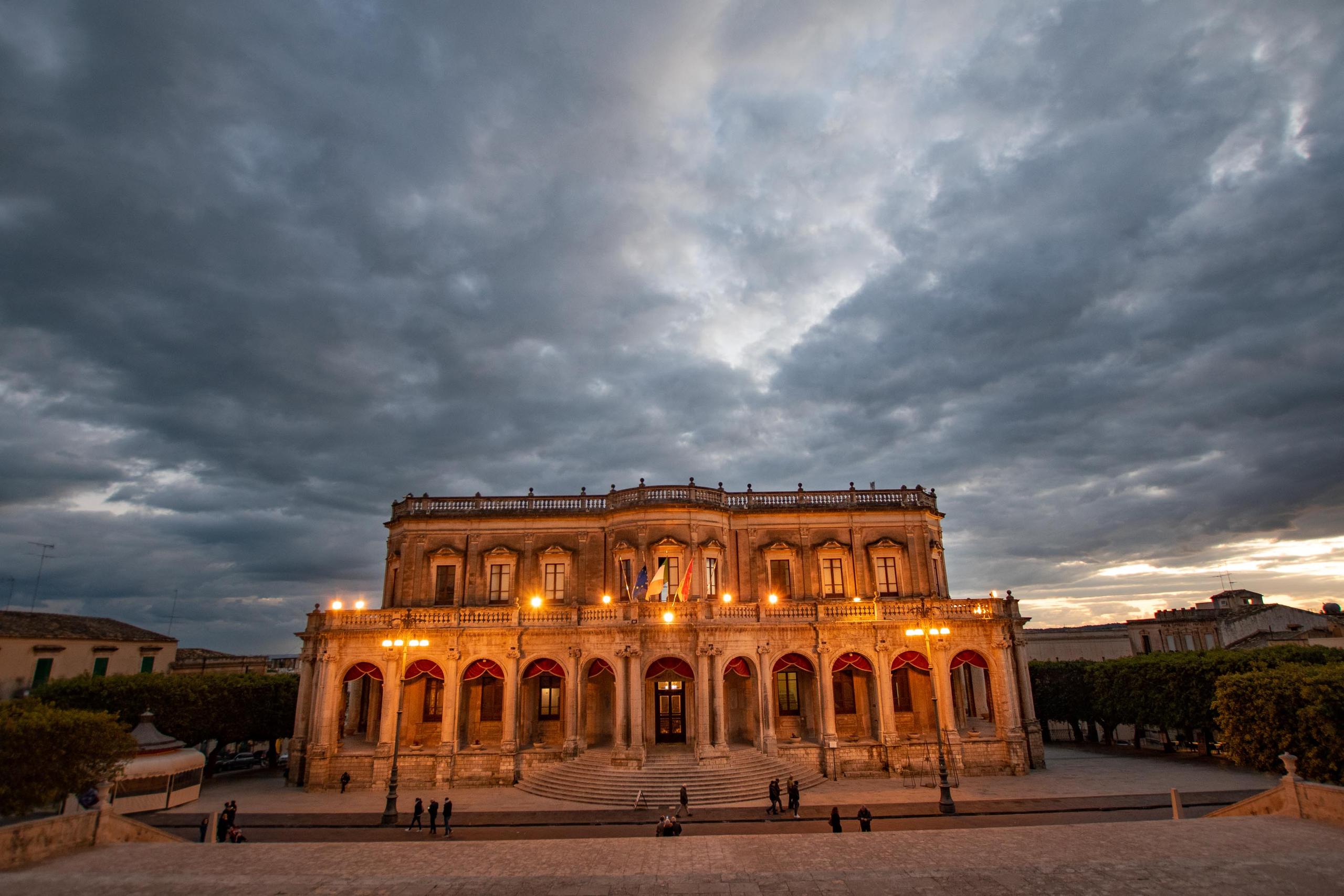
IV. Palazzo Ducezio
140 m from Q92 Noto Hotel
The Palazzo Ducezio, serving as the town hall, is situated directly opposite Q92 Noto along the Corso, right in front of the cathedral. Named after Ducezio, the founder of the city, who in the 5th century BC led the Sicilians in uprising against the Greeks, this historic building was designed in 1746 by the native architect Vincenzo Sinatra. Inspired by 17th-century French palaces, it was completed in 1830 and expanded in the early 1900s.
Inside, the Hall of Mirrors is a must-see, featuring an oval layout adorned with gold stuccoes in the Louis XV style. For spectacular panoramic views of Noto and its stunning cathedral, ascend to the magnificent terrace, where the city’s beauty unfolds in breathtaking vistas.
V. Church of Crocifisso
550 m from Q92 Noto Hotel
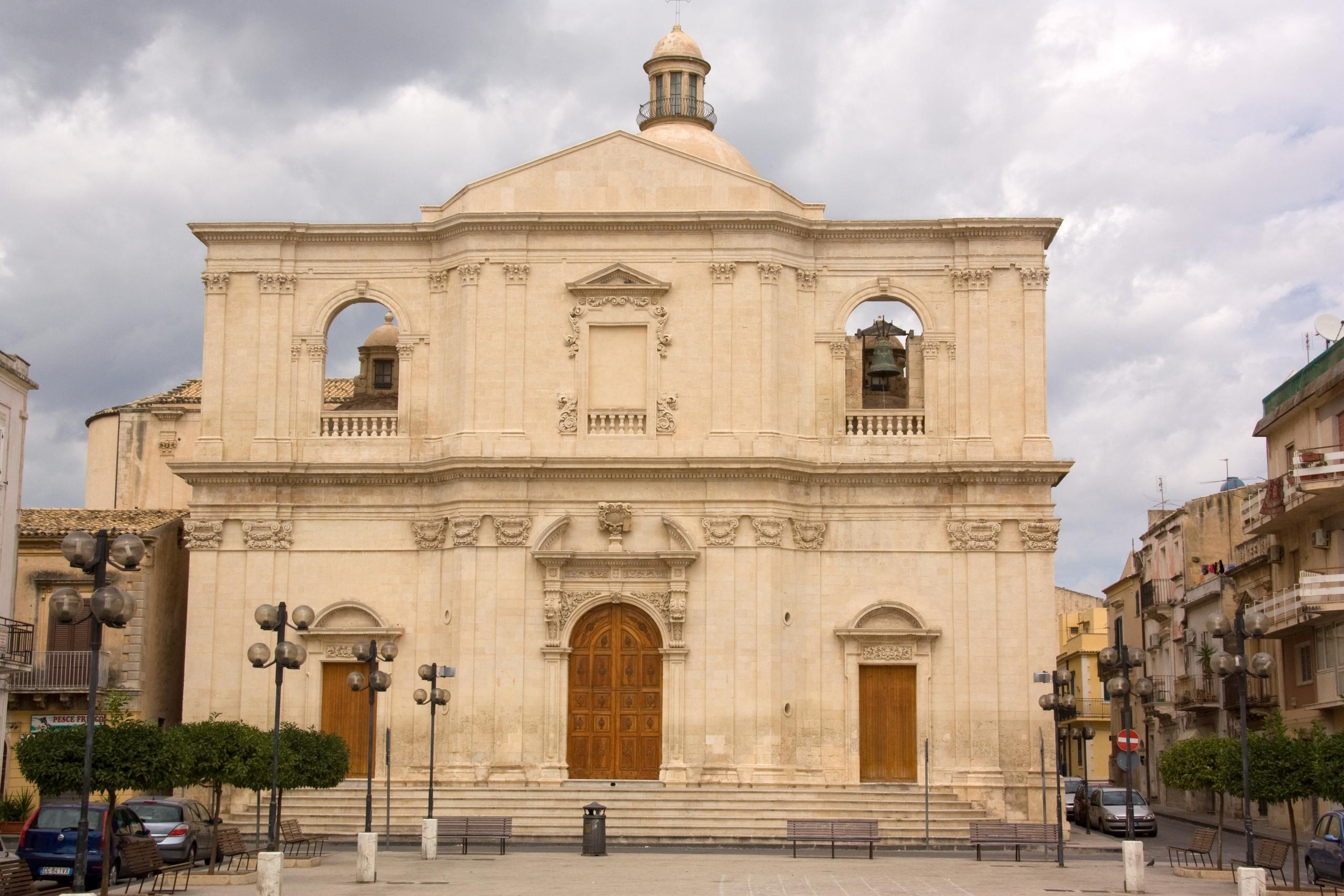
The Church of Crocifisso, situated in Noto’s 'upper city,' is the second largest religious building in the town after the Cathedral. Built in 1715 by the renowned architect Rosario Gagliardi, it stands as a stunning example of Sicilian Baroque. Its name echoes the original church that stood in Noto Antica, which was destroyed by the earthquake of 1693. Many visitors and locals alike consider it to be the most beautiful church in Noto, admired for its exquisite architecture and historical significance.
VI. Piazza XVI Maggio
230 m from Q92 Noto Hotel
Piazza XVI Maggio, affectionately known by locals as "Piazzetta Ercole," is anchored by a striking Baroque fountain featuring Hercules, originally from Noto Antica. Crafted in 1757 by the Catania sculptor Orlando, this historic fountain is the square's focal point. Directly opposite stands the charming yet modest 19th-century Municipal Theatre, named after Vittorio Emanuele, which was inaugurated on the evening of December 4th, 1870.